Published
Author
Dr. G. Satyanarayana & IIASTM Faculty
The Comprehensive Manual of Aircraft Maintenance Engineering: Standards and Practices
The Comprehensive Manual of Aircraft Maintenance Engineering: Standards and Practices
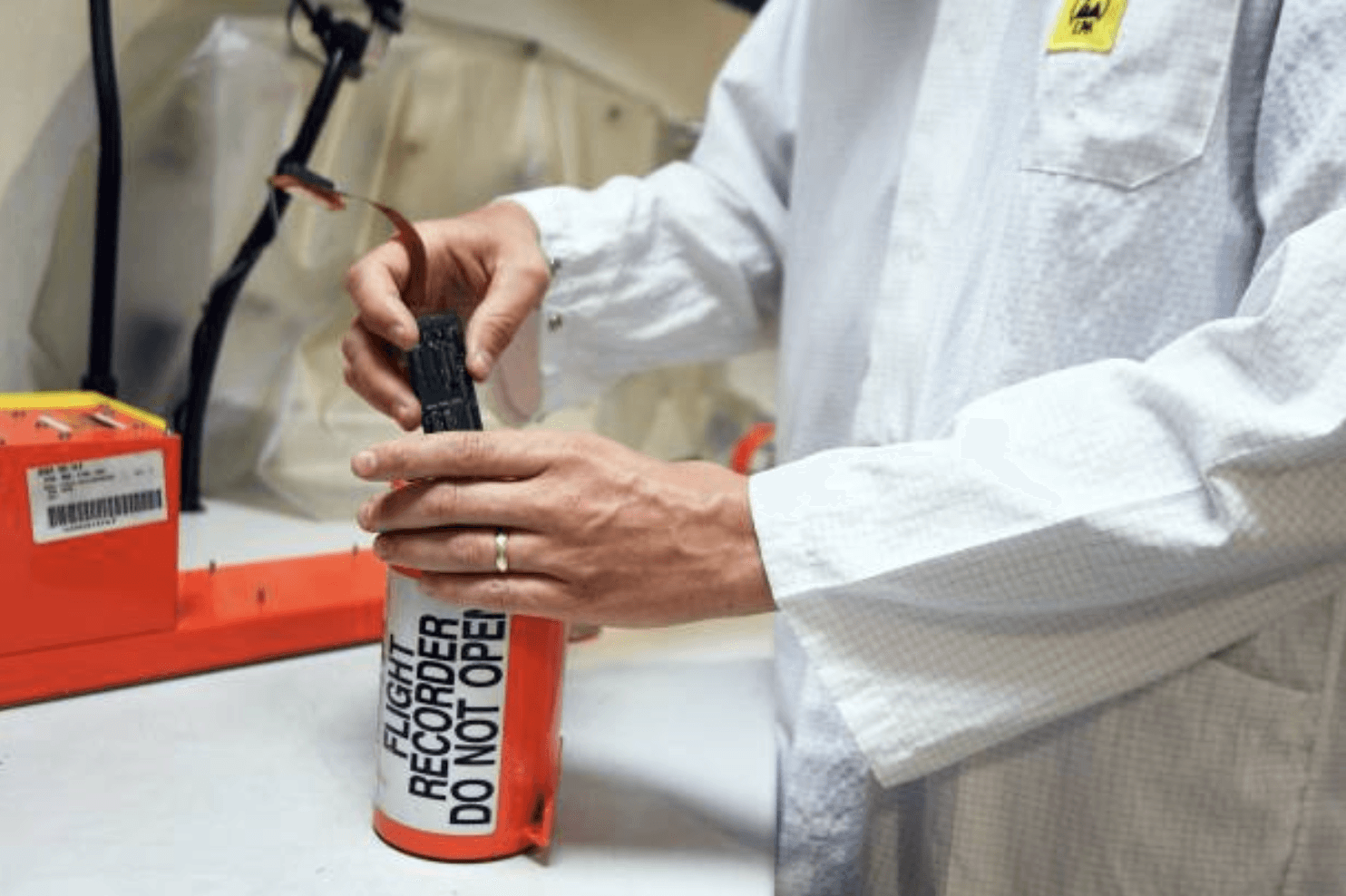
The transition from general engineering to the specialized field of Aircraft Maintenance Engineering (AME) is not merely an acquisition of technical skill; it represents a profound entry into a world defined by absolute airworthiness and regulatory discipline. In this context, The Comprehensive Manual of Aircraft Maintenance Engineering is not just a textbook, but the foundational blueprint for how the modern engineer interprets the mechanical and digital heartbeat of an aircraft. Understanding the relationship between a throttle linkage and engine response, or the specific logic of a Cockpit Voice Recorder (CVR), requires more than a passing glance at a diagram; it requires a deep immersion into the standards that ensure a machine remains "flyable" under the most grueling conditions. For the student, the challenge is recognizing that every torque value and every inspection stamp contributes to the overarching safety of the global aviation network.
The most compelling aspect of this manual is that its chapters function as a language of participation between the engineer and the regulatory bodies like the DGCA, FAA, and EASA. Consider the sections on CAR (Civil Aviation Requirements): these are not just legal rules, but engineered constructs designed to shape an engineer's physical actions and professional ethics. Whether dealing with the "Subpart G" of Continuing Airworthiness Management or the precision required for NDT (Non-Destructive Testing), the manual teaches that true command of a hangar floor emerges when technical proficiency and a "safety-first" mindset are perfectly aligned. It encourages a culture where following a maintenance schedule is not a choice, but a rigorous habit that allows for seamless operations across different aircraft types, from a Boeing 737 to a Bell 206 helicopter.
Of course, the content within these pages is never static; it reflects a rapid shift in response to the technological complexity of fly-by-wire systems and advanced avionics. The manual guides the reader from the "raw data" of basic electrical fundamentals—the behavior of ions and compounds—to the sophisticated integration of Ground Proximity Warning Systems (GPWS) and Airborne Collision Avoidance Systems (ACAS). This fluidity in the curriculum reflects how modern aviators and engineers must adjust their relationship to technology. While the manual respects the mechanical instincts of the past, it emphasizes a systems-oriented mindset that acknowledges the aircraft's intelligence. It ensures that the reader recognizes when a system functions as a stabilizing force and when a degradation of components requires a total, disciplined overhaul.
Ultimately, mastering the contents of this manual requires a cadet to think of themselves as a guardian of the aircraft. The hangar and the cockpit are the lenses through which they interpret complex engineering failures and decide the safest course of action. In an era where digital maintenance records mediate every flight, the underlying logic of this book shapes the safety values of the entire institution. The responsibility of the student is therefore both technical and professional: to craft operational habits that are precise, documented, and capable of fostering flawless airworthiness. The future of an engineer’s career will not be written in their ability to simply fix a part, but in their mastery of the entire regulatory and technical ecosystem that ensures every takeoff leads to a safe arrival.
The transition from general engineering to the specialized field of Aircraft Maintenance Engineering (AME) is not merely an acquisition of technical skill; it represents a profound entry into a world defined by absolute airworthiness and regulatory discipline. In this context, The Comprehensive Manual of Aircraft Maintenance Engineering is not just a textbook, but the foundational blueprint for how the modern engineer interprets the mechanical and digital heartbeat of an aircraft. Understanding the relationship between a throttle linkage and engine response, or the specific logic of a Cockpit Voice Recorder (CVR), requires more than a passing glance at a diagram; it requires a deep immersion into the standards that ensure a machine remains "flyable" under the most grueling conditions. For the student, the challenge is recognizing that every torque value and every inspection stamp contributes to the overarching safety of the global aviation network.
The most compelling aspect of this manual is that its chapters function as a language of participation between the engineer and the regulatory bodies like the DGCA, FAA, and EASA. Consider the sections on CAR (Civil Aviation Requirements): these are not just legal rules, but engineered constructs designed to shape an engineer's physical actions and professional ethics. Whether dealing with the "Subpart G" of Continuing Airworthiness Management or the precision required for NDT (Non-Destructive Testing), the manual teaches that true command of a hangar floor emerges when technical proficiency and a "safety-first" mindset are perfectly aligned. It encourages a culture where following a maintenance schedule is not a choice, but a rigorous habit that allows for seamless operations across different aircraft types, from a Boeing 737 to a Bell 206 helicopter.
Of course, the content within these pages is never static; it reflects a rapid shift in response to the technological complexity of fly-by-wire systems and advanced avionics. The manual guides the reader from the "raw data" of basic electrical fundamentals—the behavior of ions and compounds—to the sophisticated integration of Ground Proximity Warning Systems (GPWS) and Airborne Collision Avoidance Systems (ACAS). This fluidity in the curriculum reflects how modern aviators and engineers must adjust their relationship to technology. While the manual respects the mechanical instincts of the past, it emphasizes a systems-oriented mindset that acknowledges the aircraft's intelligence. It ensures that the reader recognizes when a system functions as a stabilizing force and when a degradation of components requires a total, disciplined overhaul.
Ultimately, mastering the contents of this manual requires a cadet to think of themselves as a guardian of the aircraft. The hangar and the cockpit are the lenses through which they interpret complex engineering failures and decide the safest course of action. In an era where digital maintenance records mediate every flight, the underlying logic of this book shapes the safety values of the entire institution. The responsibility of the student is therefore both technical and professional: to craft operational habits that are precise, documented, and capable of fostering flawless airworthiness. The future of an engineer’s career will not be written in their ability to simply fix a part, but in their mastery of the entire regulatory and technical ecosystem that ensures every takeoff leads to a safe arrival.