CPL

Commercial Pilot License (CPL)

Categories

Comprehensive Flight Training

Client

DGCA (India), ICAO, and Major International Commercial Airlines.

Project

Advanced Multi-Engine Simulator Scenarios and the Mandatory Publication of an Aviation Research Paper.

Services

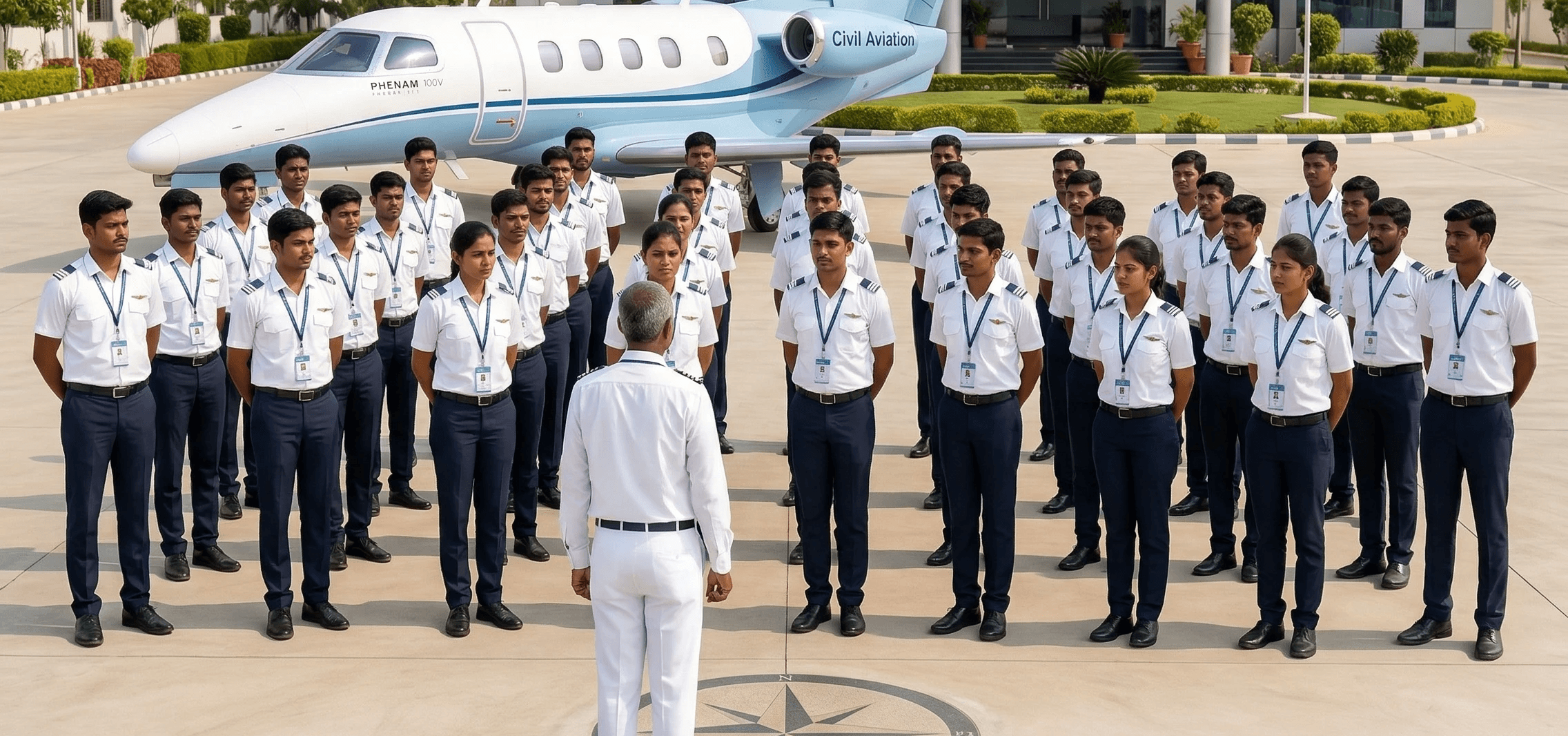
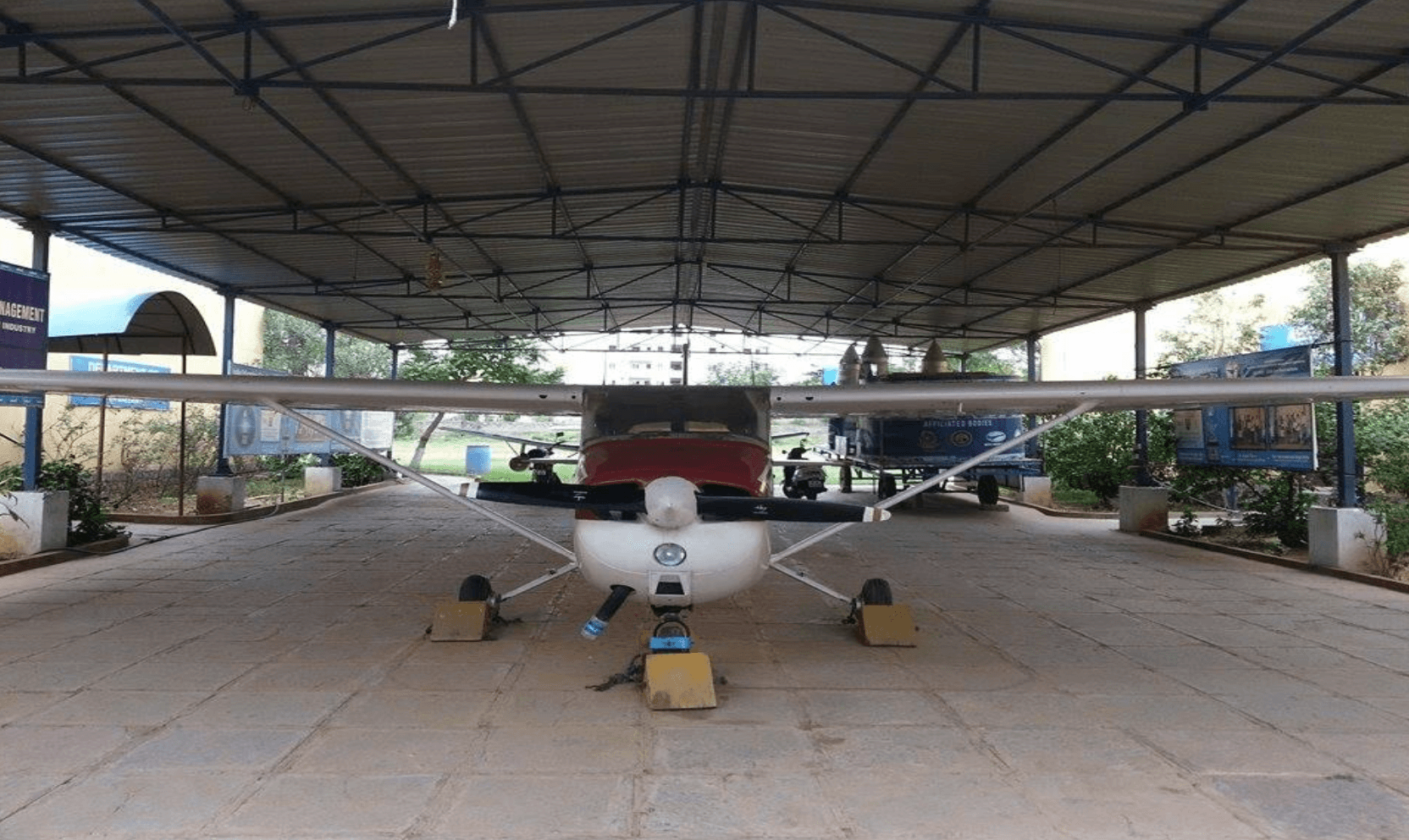
An intensive flying training program that transitions cadets from basic flight principles to advanced commercial command. Operating under stringent international standards, the curriculum integrates rigorous simulator training, multi-engine/instrument ratings, and deep theoretical grounding. Trainees master air navigation, meteorology, and complex electronic control systems, ensuring they develop the absolute situational awareness required for high-stakes leadership in the global airspace.

Year

4
Fee Structure & Program Capacity Our Commercial Pilot License (CPL) program offers elite, world-class flight instruction over a concentrated duration of 3 years. To maintain the highest international standards of safety, operational discipline, and simulator access, each training batch is limited to exactly 60 cadets. The comprehensive training fee is 32,877 USD per head, encompassing rigorous ground school theory, multi-engine ratings, and essential flight hours.

Fee Structure & Program Capacity Our Commercial Pilot License (CPL) program offers elite, world-class flight instruction over a concentrated duration of 3 years. To maintain the highest international standards of safety, operational discipline, and simulator access, each training batch is limited to exactly 60 cadets. The comprehensive training fee is 32,877 USD per head, encompassing rigorous ground school theory, multi-engine ratings, and essential flight hours.

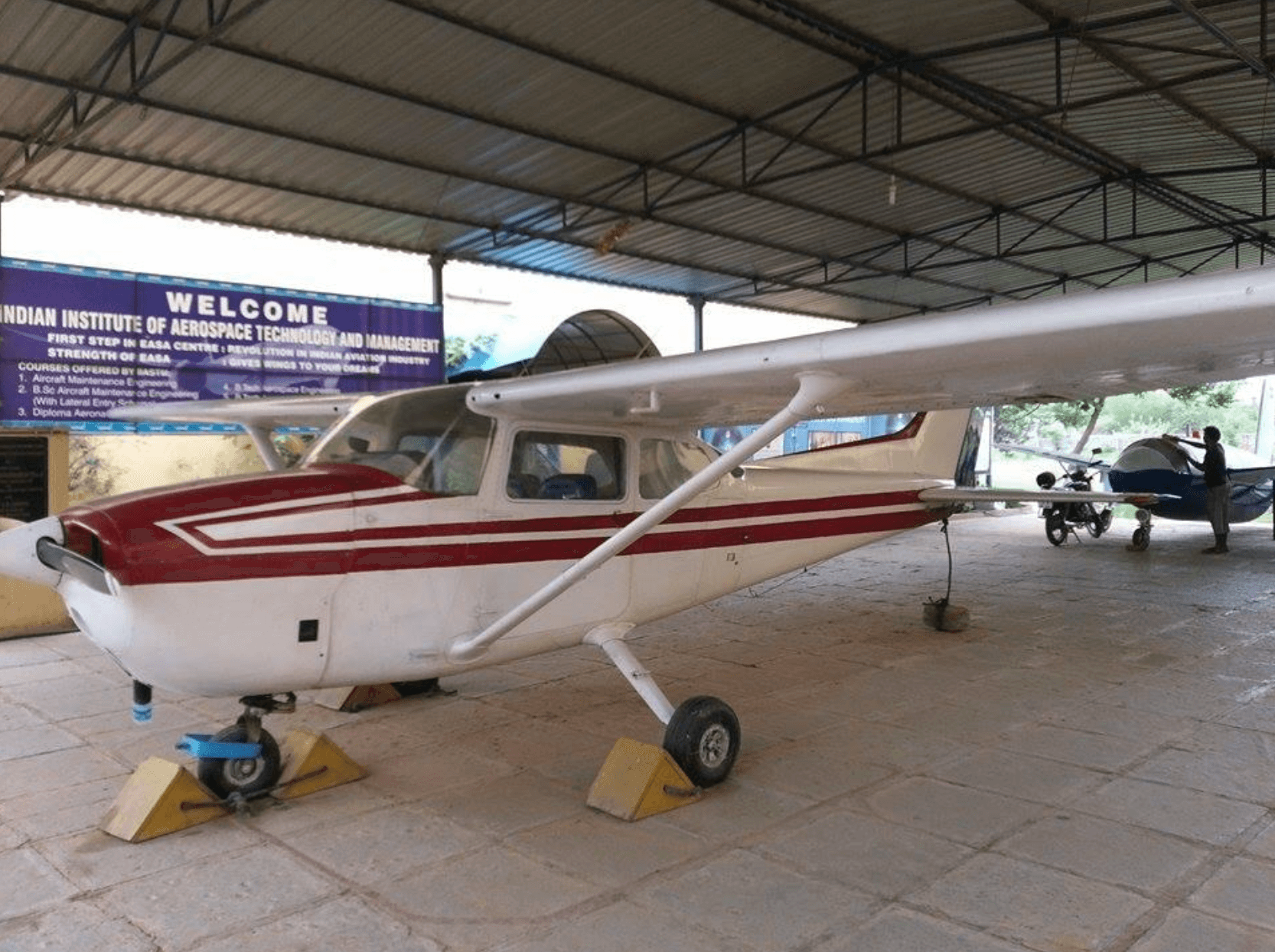
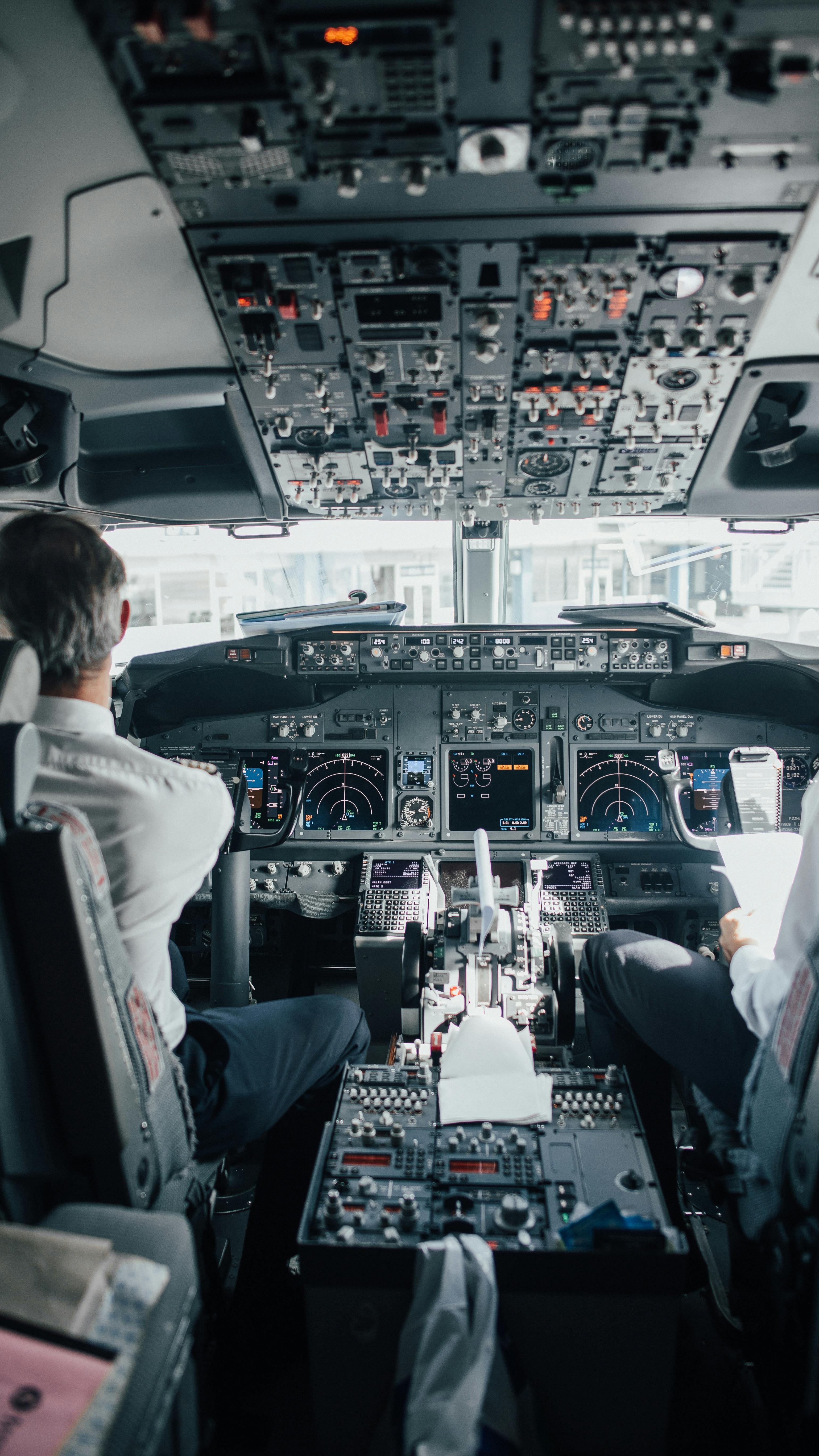
Training Outcomes & Command Training at IIASTM goes far beyond basic mechanical stick-and-rudder flying. The syllabus mandates the mastery of complex air navigation, advanced meteorology interpretation, and the operation of sophisticated electronic flight control systems. Cadets are constantly evaluated on their situational awareness and emergency response, ensuring they graduate not just as pilots, but as decisive, resilient leaders of the flight deck.

Training Outcomes & Command Training at IIASTM goes far beyond basic mechanical stick-and-rudder flying. The syllabus mandates the mastery of complex air navigation, advanced meteorology interpretation, and the operation of sophisticated electronic flight control systems. Cadets are constantly evaluated on their situational awareness and emergency response, ensuring they graduate not just as pilots, but as decisive, resilient leaders of the flight deck.

General Knowledge & Eligibility This training track is designed for aspiring aviators who intend to command commercial airspace with absolute precision. Enrollment eligibility requires candidates to have completed their 10+2 studies with a qualification in Mathematics and Physics (MPC). The program transitions cadets from fundamental single-engine VFR (Visual Flight Rules) flying to advanced, high-stakes instrument rating (IR) operations.

General Knowledge & Eligibility This training track is designed for aspiring aviators who intend to command commercial airspace with absolute precision. Enrollment eligibility requires candidates to have completed their 10+2 studies with a qualification in Mathematics and Physics (MPC). The program transitions cadets from fundamental single-engine VFR (Visual Flight Rules) flying to advanced, high-stakes instrument rating (IR) operations.