ATC

Degree in Air Traffic Control

Categories

Advancing Human Performance in Extreme Environments.

Client

Airports Authority of India (AAI), Global Air Navigation Service Providers, and Terminal Radar Control Centers.

Project

Live Radar Vectoring Simulations, Microwave Landing Systems (MLS) Operation, and CNS-ATM Management.

Services

A specialized academic program examining the physiological and psychological human factors of flight. The curriculum covers the hazards of the aviation environment, spatial disorientation, and regulatory/clinical aviation medicine. Students explore how the human body reacts to altitude, G-forces, and aerospace travel, providing critical insights that support pilot health, aircraft design, and the overall safety of the aviation ecosystem.

Year

4

Fee Structure & Program Capacity The Degree in Air Traffic Control is an exacting 3-year academic track dedicated to orchestrating the safe, orderly flow of global airspace. To ensure personalized attention on complex communication and radar protocols, the program is strictly capped at 60 students per batch. The total fee for this highly specialized operational degree is set at 1,315 USD per head.

Fee Structure & Program Capacity The Degree in Air Traffic Control is an exacting 3-year academic track dedicated to orchestrating the safe, orderly flow of global airspace. To ensure personalized attention on complex communication and radar protocols, the program is strictly capped at 60 students per batch. The total fee for this highly specialized operational degree is set at 1,315 USD per head.

General Knowledge & Eligibility This program is tailored for analytical minds capable of rapid, high-stakes decision-making in a fast-paced environment. It focuses heavily on the technological and regulatory frameworks that govern Communication, Navigation, and Surveillance alongside Air Traffic Management (CNS-ATM Systems). Students are rigorously prepared to become the invisible but critical backbone of global aviation safety

General Knowledge & Eligibility This program is tailored for analytical minds capable of rapid, high-stakes decision-making in a fast-paced environment. It focuses heavily on the technological and regulatory frameworks that govern Communication, Navigation, and Surveillance alongside Air Traffic Management (CNS-ATM Systems). Students are rigorously prepared to become the invisible but critical backbone of global aviation safety

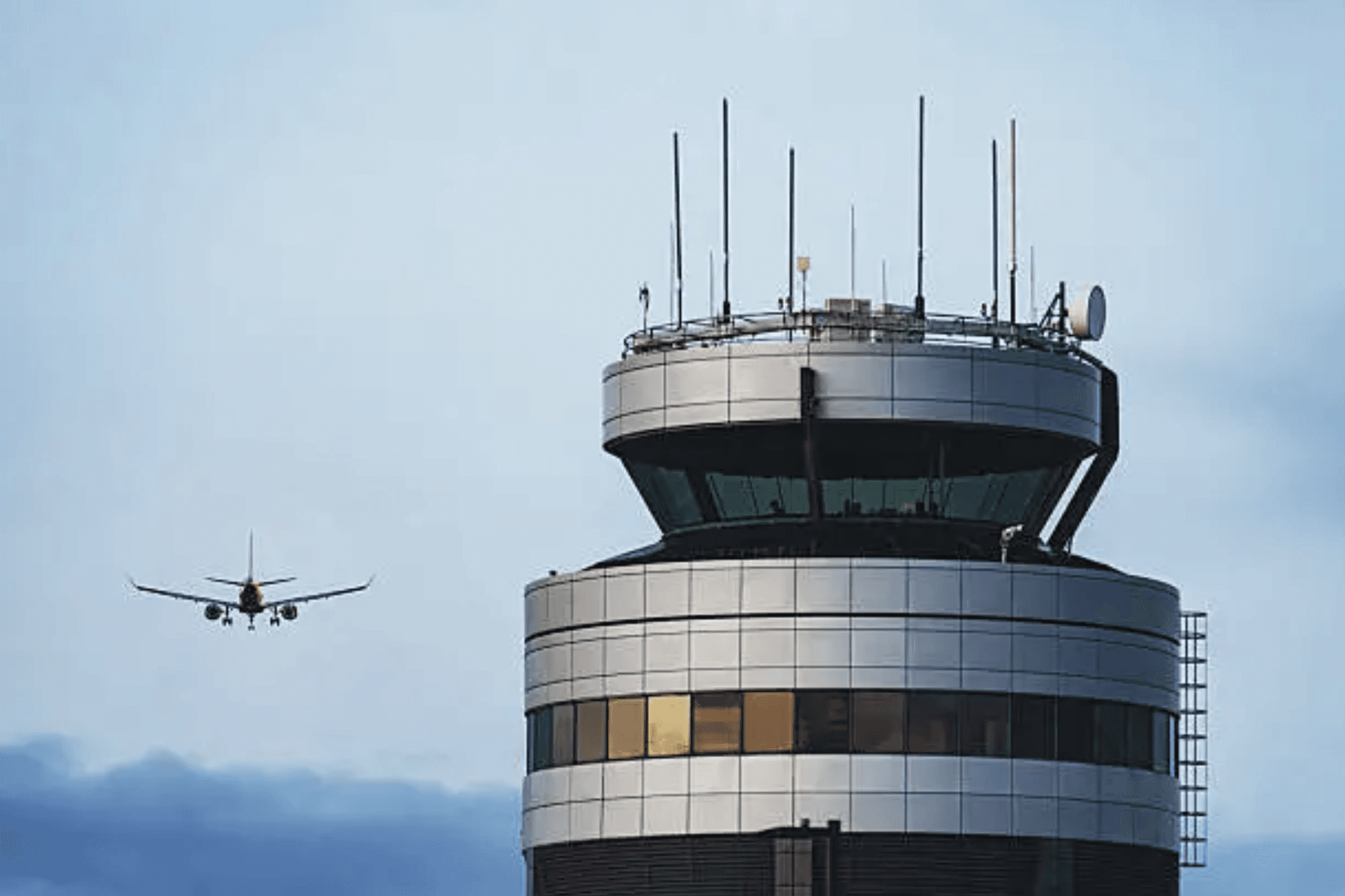
Curriculum & Practical Exposure The curriculum immerses students in the mechanics of modern airspace, from Area Navigation (RNAV) and Global Positioning Systems to advanced ATC Transponders (SSR). Cadets master the principles of ground stations, Instrument Landing Systems (ILS), and Microwave Landing Systems (MLS) to guide aircraft safely. This practical grounding ensures absolute readiness for live control tower environments.


Curriculum & Practical Exposure The curriculum immerses students in the mechanics of modern airspace, from Area Navigation (RNAV) and Global Positioning Systems to advanced ATC Transponders (SSR). Cadets master the principles of ground stations, Instrument Landing Systems (ILS), and Microwave Landing Systems (MLS) to guide aircraft safely. This practical grounding ensures absolute readiness for live control tower environments.