B.Tech in Aerospace Engineering

Categories

Engineering the Future of Flight and Space Exploration.

Client

Aerospace Manufacturing OEMs, Defense R&D Organizations (DRDO), and Global Space Agencies.

Project

Complete Structural Design of an Aircraft, Rocket, or Launch Vehicle System (Mandatory 8th Semester Capstone).

Services

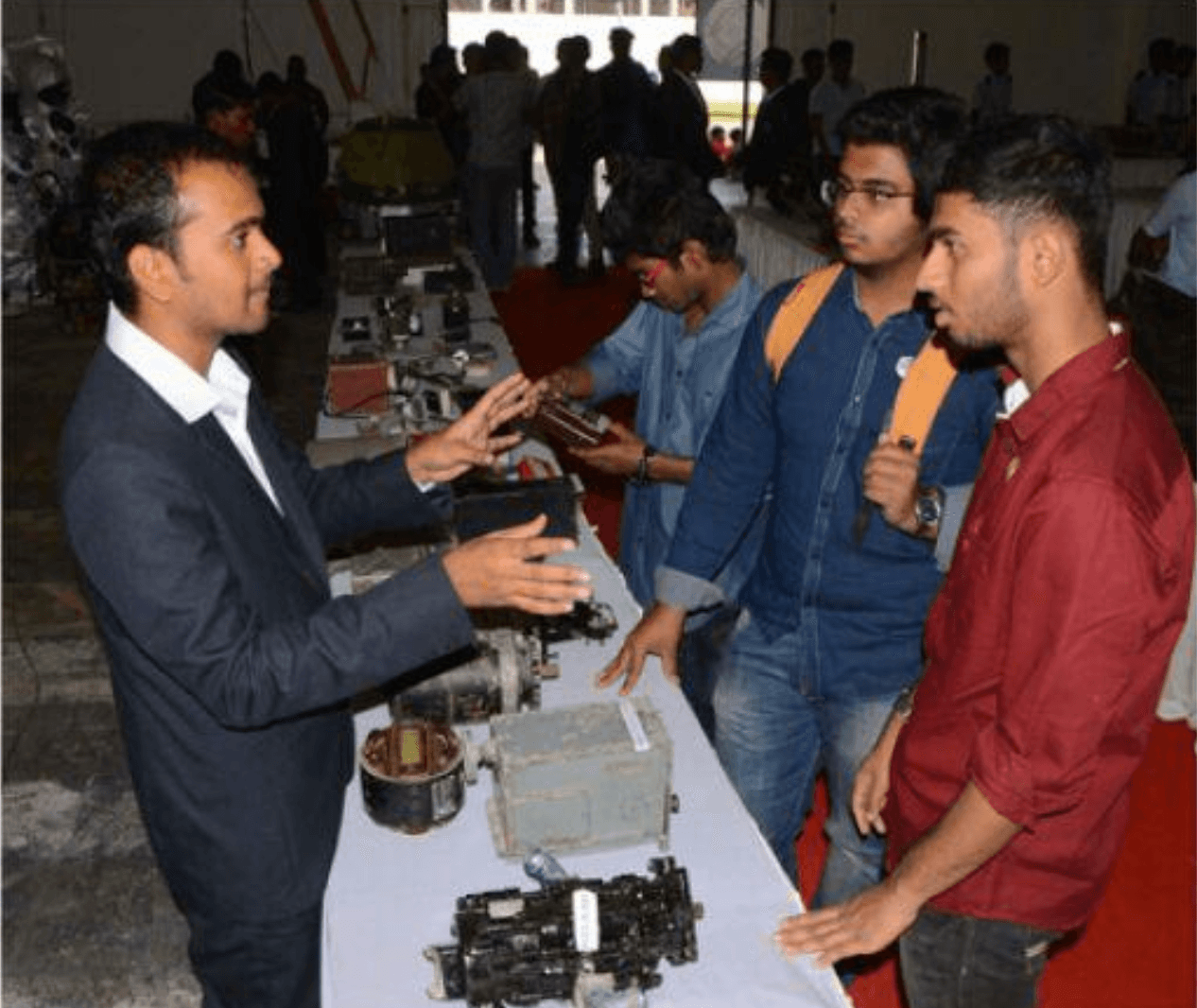
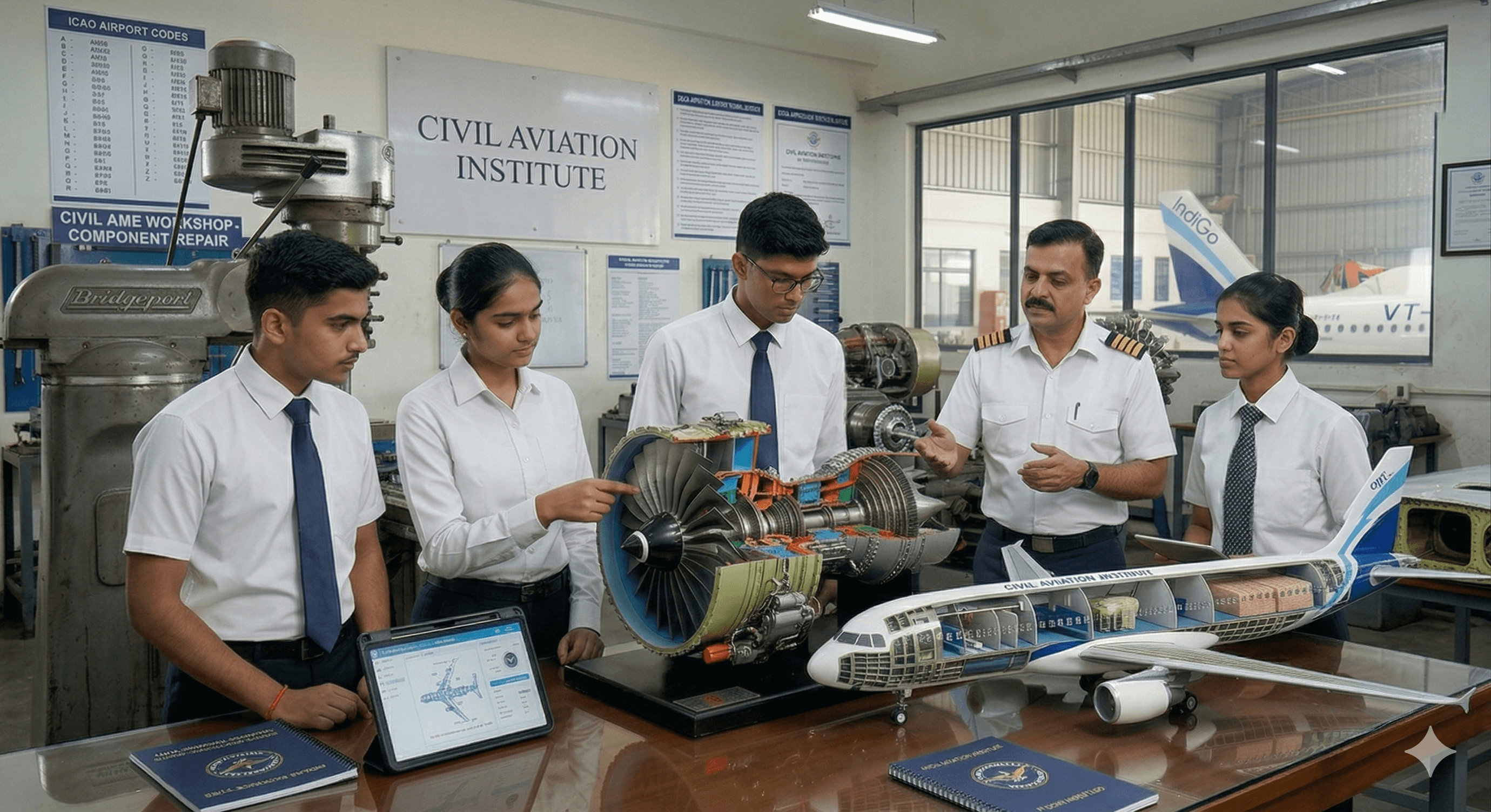
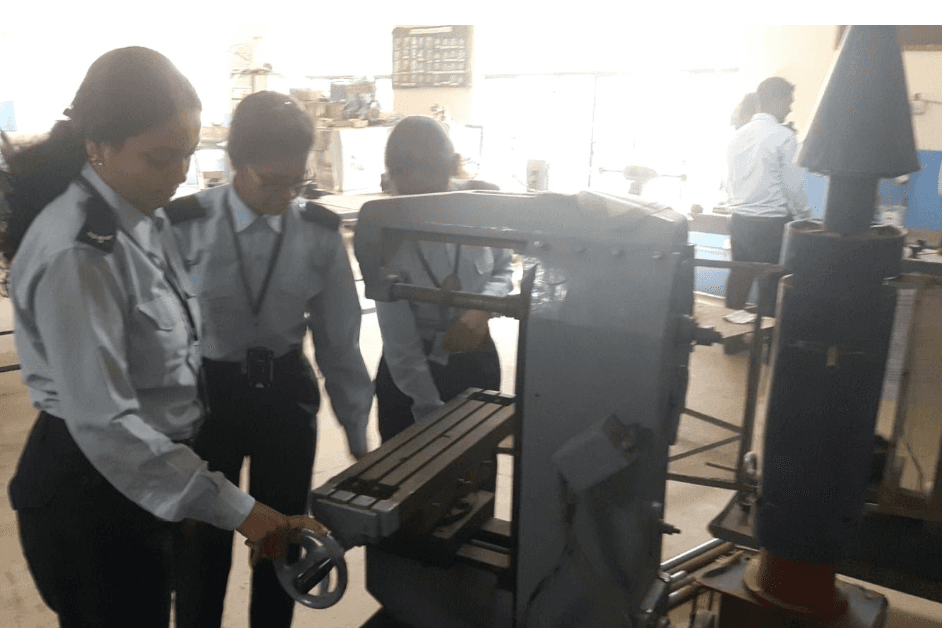
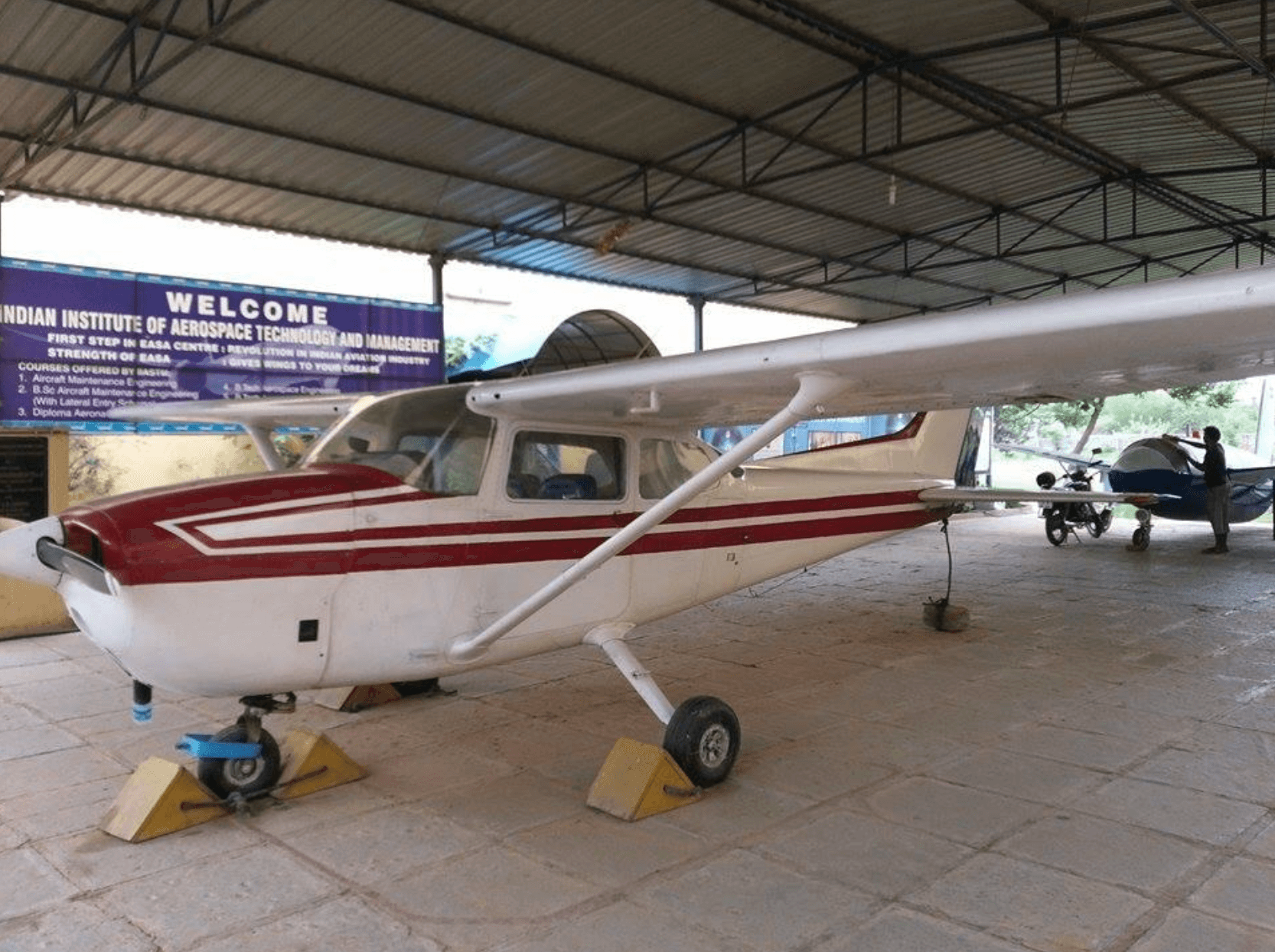
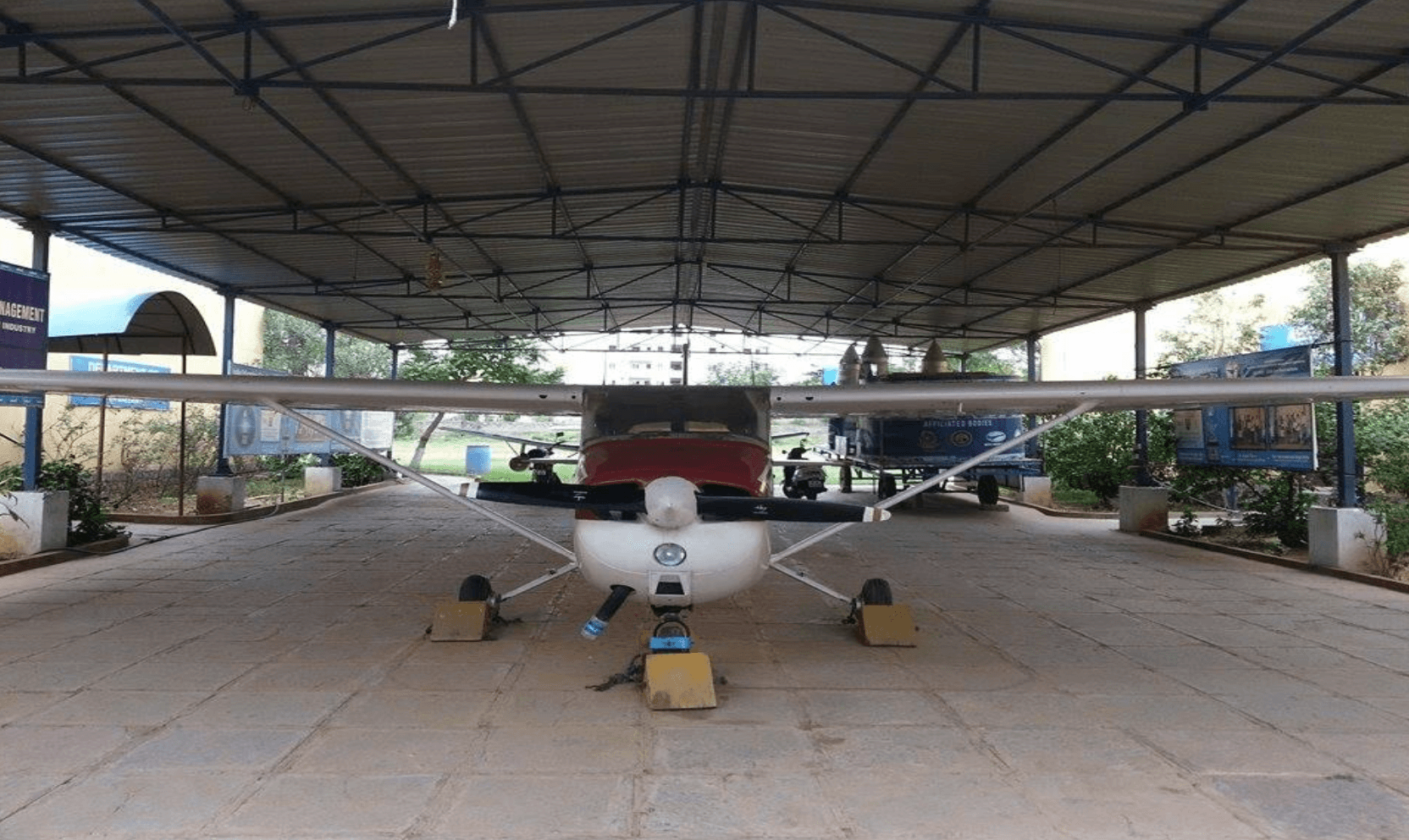
A comprehensive four-year technical degree designed to build the next generation of aerospace innovators. The rigorous curriculum spans applied mechanics, fluid dynamics, aircraft structures, and space dynamics. Cadets do not just learn theory; they engage in advanced lab work encompassing mechatronics, composite materials, and computer-aided design, culminating in major Capstone projects involving actual aircraft or launch vehicle system design.

Year

4
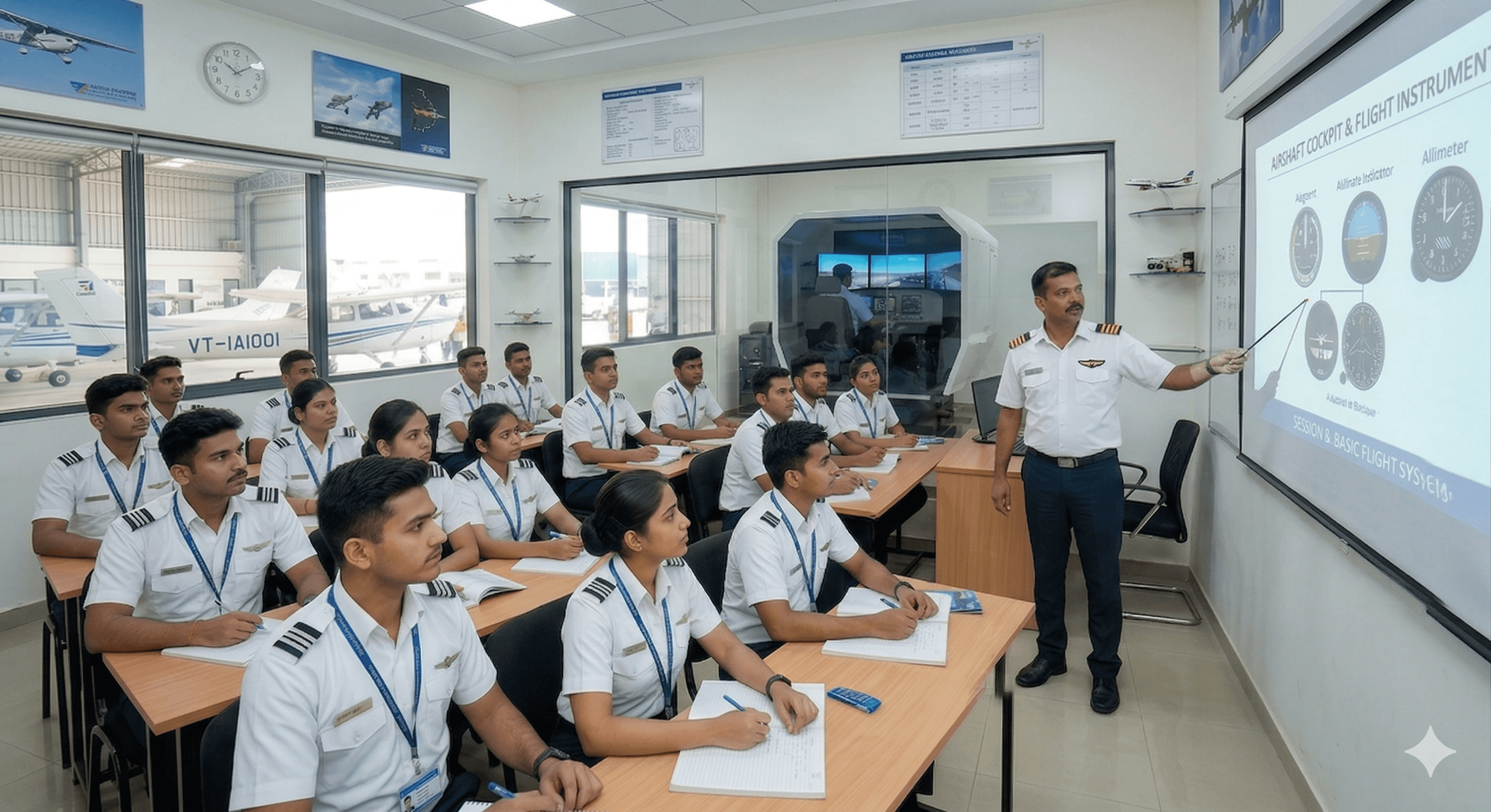
The transition from basic physics to aerospace engineering is a profound shift into a domain where margins of error approach zero. It is not merely about understanding aerodynamics, but mastering the intricate dialogue between structural integrity, propulsion, and atmospheric resistance. For the undergraduate, our B.Tech curriculum forces a rapid evolution in analytical thinking. Learning about fluid dynamics, space dynamics, or material stress is not a passive exercise; it is the acquisition of a predictive mindset that anticipates how metallic and composite structures will behave under the extreme forces of high-altitude flight and supersonic velocities. The challenge for the cadet is to recognize that every mathematical equation and physical law they master contributes directly to the uncompromising safety standards of global aviation.

The transition from basic physics to aerospace engineering is a profound shift into a domain where margins of error approach zero. It is not merely about understanding aerodynamics, but mastering the intricate dialogue between structural integrity, propulsion, and atmospheric resistance. For the undergraduate, our B.Tech curriculum forces a rapid evolution in analytical thinking. Learning about fluid dynamics, space dynamics, or material stress is not a passive exercise; it is the acquisition of a predictive mindset that anticipates how metallic and composite structures will behave under the extreme forces of high-altitude flight and supersonic velocities. The challenge for the cadet is to recognize that every mathematical equation and physical law they master contributes directly to the uncompromising safety standards of global aviation.

Fee Structure & Program Capacity The B.Tech in Aerospace and Aeronautical Engineering is a comprehensive 4-year undergraduate degree designed to build the next generation of aviation innovators. To ensure rigorous, personalized technical instruction and ample laboratory access, the batch strength is strictly capped at 60 students per intake. The total program fee is structured at 9,200 USD per cadet, which covers the extensive academic curriculum and specialized engineering facility usage.


Fee Structure & Program Capacity The B.Tech in Aerospace and Aeronautical Engineering is a comprehensive 4-year undergraduate degree designed to build the next generation of aviation innovators. To ensure rigorous, personalized technical instruction and ample laboratory access, the batch strength is strictly capped at 60 students per intake. The total program fee is structured at 9,200 USD per cadet, which covers the extensive academic curriculum and specialized engineering facility usage.


General Knowledge & Eligibility This program bridges the critical gap between theoretical physics and applied aerospace mechanics. To meet the demanding academic standards, candidates must have a strong foundational background and hold a 10+2 educational qualification with a focus on Mathematics, Physics, and Chemistry (MPC). The degree is engineered to prepare cadets for elite roles in the design, analysis, and manufacturing of modern flight systems.

General Knowledge & Eligibility This program bridges the critical gap between theoretical physics and applied aerospace mechanics. To meet the demanding academic standards, candidates must have a strong foundational background and hold a 10+2 educational qualification with a focus on Mathematics, Physics, and Chemistry (MPC). The degree is engineered to prepare cadets for elite roles in the design, analysis, and manufacturing of modern flight systems.