
.

Degree in Aviation Disaster Management

Categories

Resilience, Prevention, and Technical Investigation.

Client

Civil Aviation Authorities, Emergency Service Centers, and International Humanitarian Response Teams.

Project

Simulated Casualty Management, Loss Assessment, and Airport Emergency Plan (AEP) Execution Workshops.

Services

A unique and highly critical curriculum focused on emergency planning, technical accident investigation, and humanitarian response. Students learn to navigate the profound tension between legal frameworks (such as ICAO Annexes) and technical safety data. By studying past atmospheric and man-made disasters, trainees develop non-punitive, preventative protocols that prioritize the preservation of human life and the continuous improvement of global flight safety.

Year

4
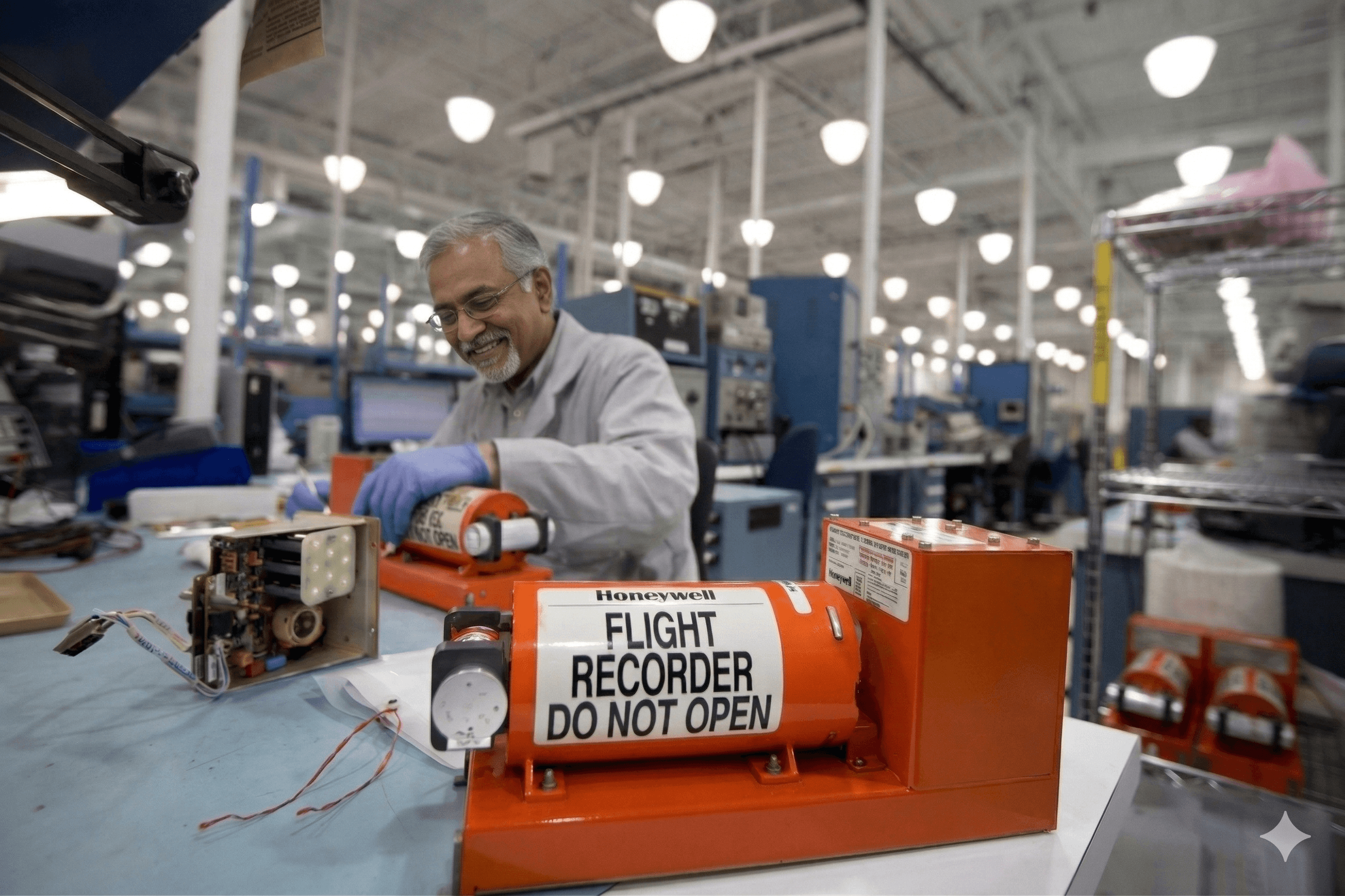
Fee Structure & Program Capacity The Degree in Aviation Disaster Management is a highly specialized 3-year undergraduate program designed to train future aviation crisis leaders. Maintaining a focused, high-stakes instructional environment, the batch strength is strictly limited to 60 students per intake. The comprehensive fee for this vital, safety-centric degree is structured at 1,315 USD per head.

Fee Structure & Program Capacity The Degree in Aviation Disaster Management is a highly specialized 3-year undergraduate program designed to train future aviation crisis leaders. Maintaining a focused, high-stakes instructional environment, the batch strength is strictly limited to 60 students per intake. The comprehensive fee for this vital, safety-centric degree is structured at 1,315 USD per head.

General Knowledge & Eligibility This unique degree addresses the profound need for coordinated humanitarian response, casualty management, and loss assessment in global aviation. It bridges the gap between international regulatory frameworks, such as ICAO Annexes, and the practical realities of managing natural, man-made, and atmospheric disasters. Graduates emerge ready to coordinate seamlessly with airport authorities and emergency service centers.

General Knowledge & Eligibility This unique degree addresses the profound need for coordinated humanitarian response, casualty management, and loss assessment in global aviation. It bridges the gap between international regulatory frameworks, such as ICAO Annexes, and the practical realities of managing natural, man-made, and atmospheric disasters. Graduates emerge ready to coordinate seamlessly with airport authorities and emergency service centers.

Curriculum & Practical Exposure Students engage in deep theoretical and practical coursework covering Airport Emergency Plans, Safety Management Systems, and Disaster Risk Reduction strategies. The syllabus is intensely practical, integrating real-world case studies, hands-on workshops, and community-based capacity building. Trainees master emergency levels and call signs to understand the exact role of the Airport Authority during a disaster.

Curriculum & Practical Exposure Students engage in deep theoretical and practical coursework covering Airport Emergency Plans, Safety Management Systems, and Disaster Risk Reduction strategies. The syllabus is intensely practical, integrating real-world case studies, hands-on workshops, and community-based capacity building. Trainees master emergency levels and call signs to understand the exact role of the Airport Authority during a disaster.